
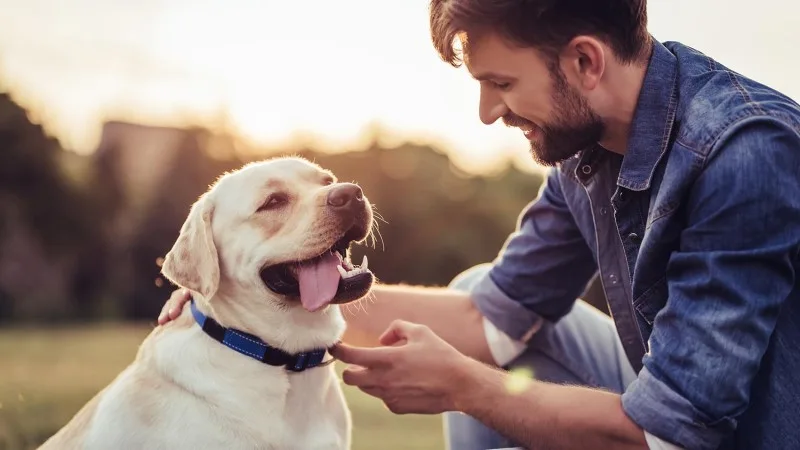
Effective dog training is not just about teaching commands. It is about developing a shared language that helps dogs and their owners understand one another. When communication is clear, dogs can respond more consistently, and owners can better recognize their pets’ needs, behaviors, and signals. Dog training for improved owner communication focuses on building this understanding through consistency, positive reinforcement, and practical everyday exercises.
As a professional training provider, Rob’s Dog Training recognizes the importance of helping owners establish clearer communication with their dogs. By understanding how dogs learn and respond to different cues, owners can develop more productive interactions and build stronger relationships with their pets.
Why Clear Communication Matters in Dog Training
Dogs do not naturally understand human language in the same way people do. Instead, they learn to associate specific words, gestures, body movements, and environmental cues with particular outcomes. Consistent communication helps them recognize what their owners expect.
When owners use different commands for the same behavior or respond inconsistently, dogs may struggle to understand what is being asked of them. For example, using both “come here” and “come” without establishing a clear connection between the cues can create confusion during recall practice.
Clear communication benefits both sides of the relationship. Dogs receive more predictable guidance, while owners gain a better understanding of how their pets respond to instructions and situations.
How Dog Training for Improved Owner Communication Works
Successful training involves more than repeating commands until a dog responds. Owners must learn how to deliver instructions, recognize behavioral signals, and reinforce appropriate responses.
Several important elements contribute to better communication.
1. Use Consistent Verbal Commands
Consistency helps dogs associate particular sounds with specific actions. When owners use the same word for each behavior, dogs have a clearer opportunity to learn what is expected.
For example, choose one verbal cue for each basic command:
- Sit: Teach the dog to place its hindquarters on the ground.
- Stay: Encourage the dog to remain in its current position until released.
- Come: Teach the dog to return when called.
- Down: Ask the dog to lie down.
- Leave it: Redirect the dog away from an object or distraction.
Every household member should use the same cues and follow similar training expectations. This reduces conflicting instructions and helps dogs develop more dependable responses.
2. Pay Attention to Body Language
Communication between dogs and humans is not limited to spoken commands. Dogs rely heavily on body language, and owners can learn a great deal by observing their pets’ physical signals.
A dog’s posture, facial expressions, ear position, tail movement, and overall behavior can provide useful information about its emotional state.
For example, a dog that turns its head away, repeatedly licks its lips, or moves away from an interaction may be showing signs of discomfort. Recognizing these signals allows owners to adjust their approach rather than continuing an interaction that may be stressful.
Owners should also consider their own body language. Sudden movements, inconsistent hand signals, and intimidating gestures can make instructions harder for some dogs to understand.
3. Apply Positive Reinforcement
Positive reinforcement helps dogs understand which behaviors produce desirable outcomes. It involves rewarding an action immediately after the dog performs it, increasing the likelihood that the behavior will happen again.
Rewards may include:
- Small, appropriate treats
- Verbal praise
- Favorite toys
- Playtime
- Access to enjoyable activities
Timing is particularly important. If an owner rewards a dog several seconds after the intended behavior, the dog may not understand which action earned the reward.
For example, when teaching a dog to sit, provide the reward as soon as its hindquarters reach the ground. This creates a clearer association between the command, the action, and the positive outcome.
Practical Ways to Improve Everyday Communication With Your Dog
Training should extend beyond formal sessions. Everyday activities provide opportunities to reinforce familiar commands and establish predictable expectations.
Owners can incorporate simple exercises into their daily routines.
Practice Short, Focused Training Sessions
Long training sessions can become frustrating, particularly for young dogs or those that are easily distracted. Short, focused sessions allow dogs to practice without becoming overwhelmed.
Start with approximately five to ten minutes of practice, adjusting the duration according to the dog’s age, attention span, and experience.
Choose one or two behaviors to work on during each session. Once the dog demonstrates a reliable response in a familiar environment, gradually introduce more challenging conditions.
Reward Attention and Engagement
Before expecting a dog to follow instructions, owners should first establish its attention. Teaching a dog to respond to its name or make voluntary eye contact can provide a useful foundation for other commands.
Try this simple exercise:
- Say the dog’s name once in a calm, clear voice.
- Wait for the dog to look toward you.
- Immediately reward the response with praise or a treat.
- Repeat the exercise in different rooms and environments.
- Gradually introduce mild distractions as the dog becomes more reliable.
The objective is to teach the dog that paying attention to its owner leads to positive experiences.
Maintain Predictable Household Expectations
Dogs benefit from knowing which behaviors are acceptable in different situations. If one family member allows a dog to jump on visitors while another discourages it, the conflicting expectations can make learning more difficult.
Establish shared household rules for common situations, including:
- Greeting visitors at the door
- Waiting before going outside
- Staying away from restricted areas
- Settling in designated resting spaces
- Walking calmly on a leash
Consistent expectations make everyday interactions easier to understand and manage.
Common Communication Mistakes Dog Owners Should Avoid
Even owners with good intentions can unintentionally make training more difficult through inconsistent handling or unclear instructions.
Understanding these mistakes can help improve training outcomes.
Repeating commands excessively: Saying the same command several times may teach a dog that it does not need to respond immediately. Give the cue once, allow time for a response, and adjust the training setup if necessary.
Using different words for the same behavior: Changing verbal cues without establishing their meaning can make instructions less predictable. Choose consistent commands and make sure everyone in the household follows them.
Rewarding behavior at the wrong time: Delayed rewards can create confusion about which action is being reinforced. Deliver praise, treats, or other rewards promptly.
Expecting immediate results: Dogs learn at different rates. Factors such as age, previous experiences, distractions, and training history can affect how quickly they understand new instructions.
Ignoring signs of stress: A dog that appears uncomfortable may have difficulty concentrating. Recognize signs of stress and provide an appropriate break or additional space.
Avoiding these mistakes creates a more supportive learning environment and helps owners communicate expectations more effectively.
Strengthen Your Relationship Through Better Communication
A strong relationship between dogs and their owners develops through trust, consistency, and mutual understanding. Training provides a structured way to build these qualities while teaching practical skills that support everyday life. Rob’s Dog Training emphasizes the value of clear communication in helping owners understand their dogs and establish consistent expectations.
Dog owners should remember that communication is a two-way process. While dogs learn to recognize human cues, people must also become more attentive to canine body language, individual needs, and behavioral responses.
With regular practice, clear instructions, appropriate reinforcement, and realistic expectations, owners can develop more reliable interactions with their pets. Dog training for improved owner communication is ultimately about creating an environment where dogs understand what is expected and owners know how to guide them effectively.