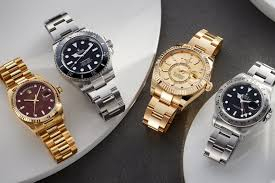
The Luxury Watch Market has long been a symbol of craftsmanship, prestige, and timeless value. A sector deeply rooted in heritage brands such as Rolex, Patek Philippe, Audemars Piguet, Omega, and Tag Heuer, the luxury watch industry continues to evolve, blending traditional mechanical excellence with modern consumer demands. Understanding the dynamics of the luxury watch market is essential for businesses, investors, and watch enthusiasts looking to navigate this competitive and aspirational industry. This comprehensive guide explores the current landscape, growth drivers, consumer preferences, emerging trends, and future outlook of the luxury watch market. The aim is to provide SEO-friendly, insightful content that enhances visibility around the keyword “Luxury Watch Market” while offering valuable information to readers.
Overview of the Luxury Watch Market
The luxury watch market includes premium timepieces that are often distinguished by high-quality materials, precise engineering, hand-finished movements, exclusivity, and heritage brand value. Unlike mass-market watches, luxury watches represent more than timekeeping—they carry status, investment potential, and artistic craftsmanship. Brands such as Rolex SA, headquartered in Geneva, Switzerland, and The Swatch Group Ltd., the parent company of Omega, Breguet, and Longines, dominate the industry alongside independent watchmakers such as A. Lange & Söhne and Hublot.
Market growth is influenced by global economic trends, consumer spending power, cultural preferences, and evolving retail strategies. The luxury watch market has historically demonstrated resilience, even in times of economic fluctuation. Watches serve as both wearable luxury and long-term investments, appealing to collectors and first-time buyers alike.
Market Size and Growth Trends
The global luxury watch market has experienced steady growth over the past decade, driven by increasing affluence in emerging markets, digital transformation of retail channels, and renewed interest among younger demographics. According to industry analysts, the market’s valuation has reached tens of billions of dollars annually, with forecasts projecting continued expansion at a moderate compound annual growth rate (CAGR). The Asia-Pacific region, particularly countries like China and India, has emerged as a key growth driver due to rising disposable income and luxury adoption.
Swiss watch exports remain a critical indicator of luxury watch market health. Organizations such as Federation of the Swiss Watch Industry FH publish monthly export figures that reflect global demand trends. In recent years, there has been notable recovery and growth in exports of high-end mechanical watches, signaling strong international appetite for premium timepieces.
Key Players and Brand Influence
Brand reputation is paramount in the luxury watch sector. Iconic names like Rolex, Patek Philippe SA, Audemars Piguet Holding SA, Omega SA, and Cartier continue to command attention due to heritage, brand storytelling, innovation, and market positioning. Each brand has its unique strengths:
Rolex is often synonymous with luxury watches globally. Known for models like the Rolex Submariner, Rolex Daytona, and Rolex Datejust, the brand consistently ranks among the most recognizable and sought-after names in the industry. Rolex’s strategic control of distribution and limited supply contribute to high secondary market values.
Patek Philippe is revered for its horological complexity and exclusivity. Models such as the Patek Philippe Nautilus and Patek Philippe Grand Complications are known for their craftsmanship and hold significant collector value. The brand’s “You never actually own a Patek Philippe. You merely look after it for the next generation” slogan reinforces its legacy appeal.
Audemars Piguet, especially with its Royal Oak and Royal Oak Offshore collections, has successfully combined tradition with contemporary design. The luxury watch market has seen high demand for limited editions and collaborations involving Audemars Piguet.
Omega, part of The Swatch Group, balances rich history with accessible luxury positioning. The Omega Speedmaster Professional, associated with NASA’s space missions, and the Omega Seamaster, popularized by James Bond films, exemplify the brand’s cultural relevance.
Emerging independent brands like F.P. Journe and Richard Mille contribute to diversification within the luxury watch market by appealing to niche collectors who seek avant-garde design and technical innovation.
Consumer Behavior and Market Segments
Understanding consumer behavior in the luxury watch market requires analysis of demographics, motivations, and purchase channels. Traditionally, affluent male consumers dominated the segment; however, recent trends show increased participation from women and younger buyers. Millennials and Gen Z are redefining luxury consumption, often valuing brand authenticity, sustainability, and digital engagement.
Collectors and high-net-worth individuals often prioritize limited editions, mechanical complexity, heritage brands, and resale value. Meanwhile, younger buyers may consider smart integrations, brand lifestyle narratives, and entry-level luxury pieces.
Luxury watch consumers typically fall into several segments:
- Collectors and enthusiasts: Seek rare, limited-edition, or historically significant pieces.
- First-time luxury buyers: Often choose entry-level models from reputable brands such as Tudor or Longines.
- Status-driven consumers: Prioritize brand recognition and visibility.
- Investment-focused buyers: Look for watches that appreciate in value over time.
Retail channels also influence purchase behavior. While traditional authorized dealers remain critical, online platforms and direct-to-consumer e-commerce have gained traction. Digital initiatives by brands and authorized retailers aim to enhance customer experience, offering virtual showrooms and personalized services.
Emerging Trends in the Luxury Watch Market
Several trends are reshaping the luxury watch market landscape:
Digital and E-commerce Expansion: Luxury watch brands increasingly adopt digital strategies, showcasing collections online and engaging customers via social media, virtual previews, and online reservations.
Sustainability and Ethical Luxury: Consumers are more conscious of sustainability practices. Brands are responding with ethical sourcing, long-lasting designs, and transparency in supply chains.
Smartwatch Integration and Hybrid Models: While traditional mechanical watches remain central to the luxury segment, some brands explore hybrid models that combine classic design with smart features. Partnerships with tech companies or limited smartwatch collaborations have garnered attention without compromising luxury integrity.
Pre-Owned and Certified Vintage Market Growth: The pre-owned luxury watch market has seen exponential growth. Platforms providing authenticated pre-owned timepieces offer access to rare models and attract budget-conscious collectors. Watches like vintage Rolex Daytona references have achieved remarkable auction prices, further enhancing interest in the secondary market.
Customization and Bespoke Services: High-end consumers increasingly seek personalization—whether engraved casebacks, bespoke straps, or unique dial configurations. Customization enhances exclusivity and customer loyalty.
Challenges Facing the Luxury Watch Market
Despite positive trends, the luxury watch market faces several challenges. Economic uncertainties, currency fluctuations, and geopolitical tensions can impact consumer spending on non-essential goods. Additionally, imbalances between supply and demand, particularly for high-demand models, create long waiting lists and unauthorized aftermarket markups.
Counterfeiting remains a significant issue, prompting brands to invest in authentication technologies and blockchain-based tracking solutions. Protecting intellectual property and ensuring trustworthy distribution channels are ongoing priorities.
The digital shift also presents challenges in maintaining brand exclusivity. Balancing online accessibility with controlled scarcity demands careful strategy to preserve brand value.
Future Outlook and Strategic Opportunities
The future of the luxury watch market appears robust, driven by global wealth growth, evolving consumer preferences, and brand innovation. Forecasts suggest continued expansion, particularly in emerging markets where luxury consumption is on the rise.
Strategic opportunities include enhancing digital ecosystems, investing in experiential retail, and deepening engagement with younger audiences. Collaborations between watchmakers and lifestyle brands, as well as limited-edition releases, are expected to sustain consumer excitement.
Investment in sustainability practices will likely strengthen brand reputation. Initiatives such as responsible sourcing of precious metals, long-term durability standards, and ethical manufacturing align with modern consumer values.
Conclusion
The luxury watch market represents a complex blend of tradition, craftsmanship, innovation, and global consumer dynamics. Icons like Rolex, Patek Philippe, Audemars Piguet, Omega, and emerging independent brands continue to steer the industry forward while adapting to digital transformation and shifting preferences. With strong growth prospects, expanding market segments, and evolving trends, the luxury watch market remains a vibrant landscape for collectors, investors, and luxury brands alike. Understanding these dynamics is essential for anyone seeking to navigate or contribute to the continued success of the industry.
Leave a Reply