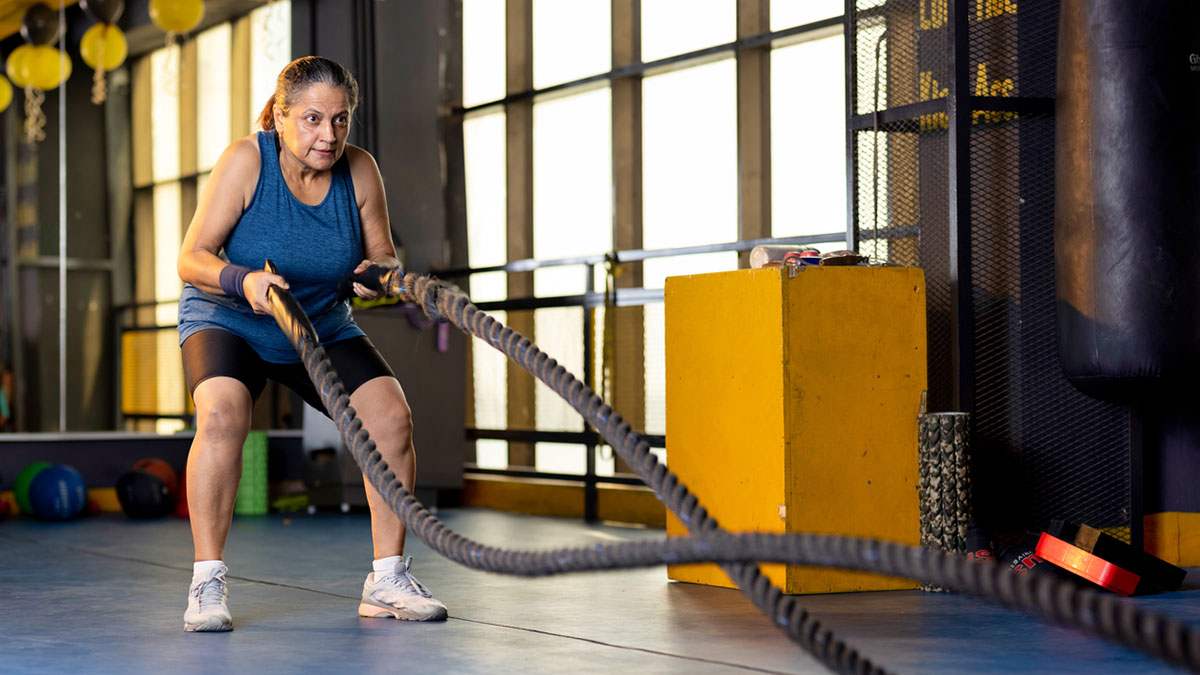
A weight training program is a structured plan designed to improve muscular strength, endurance, and overall physical fitness through resistance exercises. Unlike casual workouts, a well-planned weight training program ensures progressive overload, proper recovery, and balanced development of muscle groups. Popular approaches often combine free weights, machines, and bodyweight exercises to target specific muscles effectively. Professionals such as certified personal trainers or strength coaches typically design these programs for optimal results.
Benefits of a Weight Training Program
Implementing a consistent weight training program offers multiple benefits. Firstly, it increases muscle mass, which boosts metabolism and aids in long-term weight management. Secondly, strength training improves bone density, reducing the risk of osteoporosis, especially in older adults. Thirdly, it enhances functional fitness, allowing individuals to perform daily activities more efficiently. Studies have also shown that resistance training improves mental health by reducing stress, anxiety, and symptoms of depression. Additionally, sports enthusiasts leverage weight training programs to enhance athletic performance, including speed, agility, and endurance.
Key Components of an Effective Weight Training Program
A comprehensive weight training program should include the following elements:
1. Assessment and Goal Setting
Before starting, individuals should undergo a fitness assessment to determine strength levels, flexibility, and body composition. Setting realistic goals, whether muscle gain, fat loss, or improving athletic performance, ensures the program is tailored to specific needs.
2. Exercise Selection
Effective programs include a mix of compound exercises like squats, deadlifts, and bench presses, which target multiple muscle groups, and isolation exercises such as bicep curls or tricep extensions for focused development. Incorporating both ensures balanced strength and hypertrophy.
3. Frequency and Volume
Program frequency refers to how often one trains each muscle group, while volume represents the total workload (sets × reps × weight). Beginners may start with 2-3 sessions per week, while advanced lifters often train 4-6 times weekly with higher volume.
4. Progressive Overload
Progressive overload is the principle of gradually increasing resistance or intensity to stimulate muscle growth and strength. This can involve adding weight, increasing repetitions, or reducing rest intervals. Proper monitoring ensures continuous improvement without overtraining.
5. Rest and Recovery
Adequate rest between sets and sessions is crucial to prevent injuries and support muscle recovery. Most programs recommend 48-72 hours of rest for major muscle groups after intense workouts. Incorporating techniques like active recovery, stretching, and foam rolling can enhance recovery.
6. Nutrition and Supplementation
A weight training program is incomplete without proper nutrition. Adequate protein intake, complex carbohydrates, and healthy fats support muscle repair and energy levels. Many athletes also use supplements such as whey protein, creatine, and branched-chain amino acids (BCAAs) to optimize performance and recovery.
Types of Weight Training Programs
Weight training programs can be customized based on goals and experience levels:
1. Strength Training Programs
Designed to maximize raw strength, these programs focus on lower repetitions (1-6 reps) with heavier weights. Examples include the 5×5 program and Westside Barbell method, favored by powerlifters.
2. Hypertrophy Programs
Hypertrophy programs aim to increase muscle size using moderate weights and higher repetitions (8-12 reps). Popular methods include German Volume Training (GVT) and Bodybuilding Split Routines, targeting individual muscle groups per session.
3. Endurance Training Programs
Muscular endurance programs use lighter weights and high repetitions (15+ reps) to improve stamina. This approach is common among athletes requiring prolonged exertion, such as runners or cyclists.
4. Functional Strength Programs
Functional programs focus on movements that mimic real-life activities, often integrating free weights, kettlebells, and bodyweight exercises. Techniques like cross-training or HIIT combined with resistance training improve overall mobility and core strength.
Structuring Your Weight Training Program
A typical week for a beginner in a weight training program might look like:
- Day 1: Upper Body (Chest, Back, Shoulders)
- Day 2: Lower Body (Quads, Hamstrings, Glutes)
- Day 3: Rest or Active Recovery
- Day 4: Full Body Circuit (Compound Movements)
- Day 5: Cardio or Core Focus
- Day 6: Upper Body
- Day 7: Rest
Advanced lifters often incorporate split routines, targeting specific muscle groups each day to allow for higher intensity and recovery. Tracking progress using a workout journal or fitness apps ensures consistency and helps adjust program variables over time.
Common Mistakes in Weight Training Programs
Even structured programs can fail if key errors are made:
- Neglecting Form: Poor technique increases injury risk and reduces effectiveness. Learning proper form from certified trainers or credible online sources is critical.
- Skipping Warm-ups and Cool-downs: Dynamic warm-ups prepare muscles for exertion, while stretching post-workout aids recovery.
- Ignoring Recovery: Overtraining can lead to fatigue, decreased performance, and injuries.
- Inconsistent Tracking: Not recording weights, reps, and progress prevents proper adjustments and slows results.
- Unrealistic Expectations: Muscle growth and strength gains require patience and progressive effort. Setting achievable milestones encourages long-term adherence.
Tools and Equipment for Weight Training Programs
A successful weight training program may utilize:
- Free Weights: Dumbbells, barbells, kettlebells for functional strength
- Resistance Machines: Cable machines and leg presses for targeted muscle work
- Bodyweight Equipment: Pull-up bars, dip stations, and suspension trainers
- Accessories: Weight belts, lifting straps, resistance bands for support and variation
Many gyms, such as Gold’s Gym and Planet Fitness, provide a combination of these tools to accommodate diverse training needs.
Monitoring Progress in a Weight Training Program
Tracking performance ensures your weight training program remains effective. Metrics to monitor include:
- Strength Gains: Increasing weights or reps over time
- Body Composition: Measuring muscle mass versus fat percentage
- Endurance Levels: Tracking repetitions and time under tension
- Recovery Metrics: Monitoring fatigue, soreness, and sleep quality
Fitness apps and wearables like MyFitnessPal and Fitbod simplify data collection and progress analysis.
Conclusion
A weight training program is a powerful tool for improving strength, muscle mass, endurance, and overall health. By incorporating structured exercise selection, progressive overload, proper nutrition, and recovery, individuals can achieve sustainable results. Whether aiming for bodybuilding, athletic performance, or general fitness, customizing your program to your goals, tracking progress, and maintaining consistency ensures long-term success. Regularly reviewing and updating your routine in consultation with trainers or through credible resources ensures continued improvement and injury prevention.