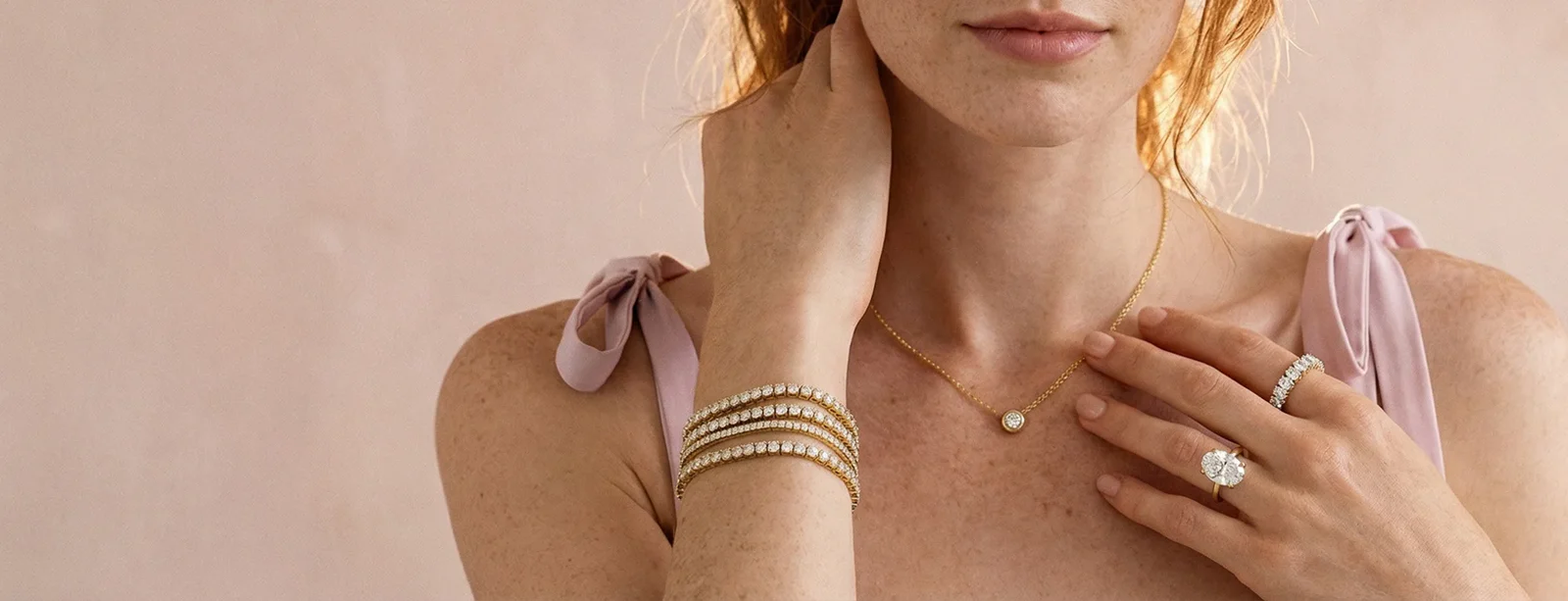

Seasonal wardrobe updates are a useful way to keep your clothing collection practical, comfortable, and current throughout the year. As temperatures and fashion trends change, small adjustments can make a big difference without requiring a completely new wardrobe. A women’s fashion stylist can help organize existing pieces, identify useful additions, and create outfits that suit different occasions and seasonal needs.
1. Review Your Existing Wardrobe
Before buying anything new, start by reviewing the clothes you already own. Separate items that fit the current season from pieces that are better suited to warmer or cooler weather. This can help you understand what you already have and prevent unnecessary purchases.
Check the condition of frequently worn items as well. Clothes that are damaged, uncomfortable, or no longer suitable for your lifestyle may need to be repaired, replaced, or removed from regular rotation.2. Focus on Versatile Basics
Versatile clothing can make seasonal dressing much easier. Simple tops, comfortable trousers, neutral jackets, skirts, and layering pieces can often be combined in several different ways. These basics provide a strong foundation for creating outfits throughout the season.
A women’s fashion stylist may recommend choosing pieces that can work for both casual and more polished occasions. Versatile clothing can also help you create more outfits without significantly increasing the size of your wardrobe.
3. Add Seasonal Colors Carefully
Seasonal colors can refresh your wardrobe and introduce variety. Instead of replacing many existing clothes, consider adding a few accessories or statement pieces in colors that complement what you already own.
Scarves, handbags, shoes, lightweight jackets, and jewelry can provide seasonal touches without requiring major changes. Choosing colors that work with several existing outfits can also make your wardrobe more flexible.
4. Choose Appropriate Fabrics
Fabric selection is especially important when updating a wardrobe for changing weather. Lightweight and breathable materials can be useful during warmer months, while heavier fabrics and comfortable layers may be more suitable when temperatures fall.
When shopping for seasonal clothing, consider both comfort and practicality. The right fabric should match the weather while also fitting your daily routine and preferred level of maintenance.
5. Plan for Layering
Layering is an effective way to adapt outfits to changing temperatures. Cardigans, blazers, lightweight sweaters, jackets, and scarves can be added or removed as needed. This approach is particularly useful during transitional seasons when temperatures can change throughout the day.
A women’s fashion stylist can help combine different layers while maintaining a balanced and polished appearance. The goal is to create combinations that are comfortable without making an outfit look overly complicated.
Final Thoughts
Updating a wardrobe for each season does not mean buying an entirely new collection of clothes. By reviewing existing pieces, choosing versatile basics, adding suitable colors, selecting comfortable fabrics, and planning effective layers, you can create practical outfits throughout the year. A women’s fashion stylist can also provide personalized guidance and help ensure that seasonal additions complement your lifestyle , preferences, and existing wardrobe. Thoughtful seasonal updates can make your wardrobe more organized, functional, and enjoyable to wear.